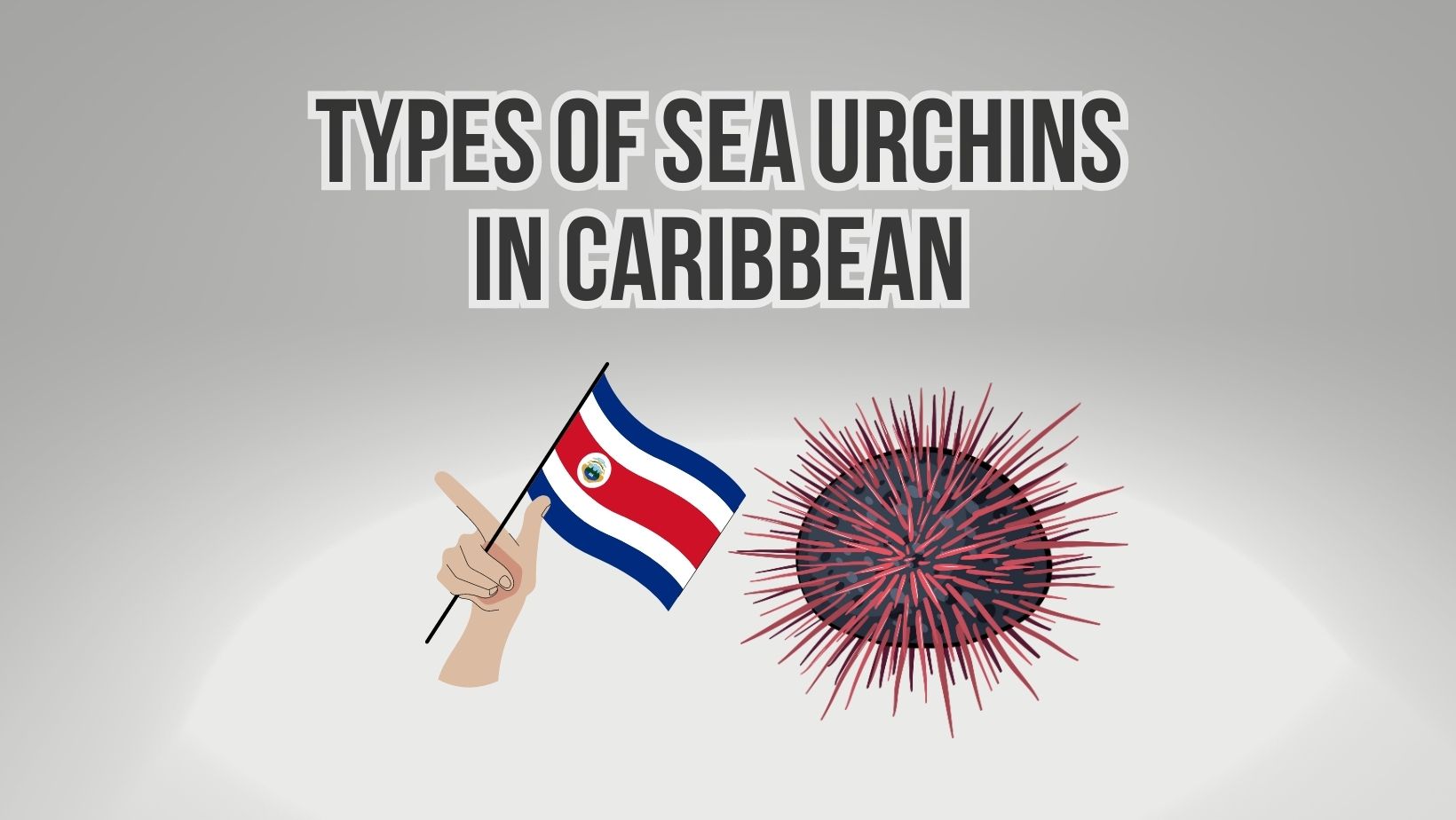
The Caribbean Sea is home to a rich and diverse marine ecosystem, teeming with fascinating creatures, including various species of sea urchins. These unique echinoderms, with their intricate spines and vibrant colors, play important roles in maintaining the health of coral reefs and seagrass beds. In this article, we will explore some of the types of sea urchins you can encounter in the Caribbean.
1. Long-Spined Sea Urchin (Diadema antillarum)
The Long-Spined Sea Urchin is a common species found throughout the Caribbean. It is characterized by its long, slender spines that can reach lengths of several inches. The Long-Spined Sea Urchin has a dark-colored body with lighter-colored spines, providing it with a striking appearance. These sea urchins are typically found in coral reefs and seagrass meadows, where they play a crucial role in controlling algae growth by grazing on the reefs’ surfaces.
2. Pencil Sea Urchin (Eucidaris tribuloides)
The Pencil Sea Urchin, also known as the Slate Pencil Urchin, is another species found in the Caribbean. It has a round body covered in thick, blunt spines, resembling a piece of slate or pencil. The Pencil Sea Urchin can vary in color from reddish-brown to dark gray. It is commonly found in rocky areas, seagrass beds, and coral reefs. These sea urchins are known to graze on algae and small invertebrates, contributing to the overall health of the ecosystem.
3. Rock-Boring Urchin (Echinometra viridis)
The Rock-Boring Urchin, also called the Green Sea Urchin, is a species commonly found in the Caribbean. It has a flattened, oval-shaped body covered in short, sturdy spines. The Rock-Boring Urchin can vary in color from light green to brown. These sea urchins inhabit rocky areas, coral reefs, and seagrass beds, where they graze on algae and other organic matter. They also play a role in creating small burrows in rocks for shelter.
4. Collector Sea Urchin (Tripneustes ventricosus)
The Collector Sea Urchin, also known as the West Indian Sea Egg, is a species found in the Caribbean. It has a round body covered in long, thick spines that can range in color from dark brown to reddish-brown. The Collector Sea Urchin is commonly found in seagrass beds, coral reefs, and rocky areas. As herbivores, they feed on algae and other plant material, contributing to the balance of the ecosystem.
5. Red-Spined Sea Urchin (Echinometra lucunter)
The Red-Spined Sea Urchin is a species found in the Caribbean, known for its vibrant appearance. It has a round body covered in short, robust spines that can range in color from red to reddish-brown. These sea urchins are typically found in rocky areas, coral reefs, and seagrass beds. They play a role in controlling algae growth by grazing on the reefs’ surfaces, helping to maintain the health of the ecosystem.
Encountering these diverse species of sea urchins in the Caribbean’s waters can be a captivating experience. However, it is important to observe them with caution and avoid direct contact with their spines to prevent injury. Appreciate their unique adaptations and the vital roles they play in sustaining the beauty and balance of the Caribbean marine environment.
Can You Eat Sea Urchins From The Caribbean?
Sea urchins from the Caribbean, like sea urchins from other regions, can be consumed. The roe, known as uni, is highly regarded as a delicacy in various cuisines worldwide, including in the Caribbean. Uni is often enjoyed raw or used as an ingredient in sushi, sashimi, and other seafood dishes.
Are Caribbean Sea Urchins Poisonous?
Regarding the question of whether Caribbean sea urchins are poisonous, it is important to note that while some species of sea urchins possess venomous spines, the venom is typically not harmful to humans. The venom is primarily used for defense against predators and is not usually a concern when handling sea urchins.
Is The Caribbean White Sea Urchin Edible?
As for the Caribbean White Sea Urchin, also known as Tripneustes ventricosus, it is indeed edible. The roe of the Caribbean White Sea Urchin, like other sea urchin species, can be enjoyed as uni. It is important to handle and prepare sea urchins properly, ensuring that only the edible parts, such as the roe, are consumed.
Summary
In conclusion, the Caribbean is home to a variety of sea urchin species, each with its own distinct features and ecological significance. From the Long-Spined Sea Urchin to the Rock-Boring Urchin, these creatures contribute to the health and biodiversity of coral reefs, seagrass beds, and rocky areas. Take the time to explore and marvel at the wonders of Caribbean sea urchins, respecting their natural habitats and the delicate marine ecosystem they inhabit.