What Are Pedicellariae Used For In Sea Urchins? Pedicellariae are small, pincer-like structures found on the bodies of sea urchins and some other echinoderms. These structures play several important roles in the life of a sea urchin. Here are the main functions of pedicellariae in sea urchins:
Defense:
One of the primary functions of pedicellariae is defense against predators and unwanted organisms. Pedicellariae can detect and capture small organisms, such as algae, small invertebrates, or parasites, that come into contact with the sea urchin’s body. They act as defensive tools, preventing potential harm or overgrowth on the urchin’s surface.
Cleaning and Maintenance:
Pedicellariae help in cleaning and maintaining the body surface of sea urchins. They remove debris, sediment, and unwanted organisms that settle on the urchin’s skin. By capturing and manipulating these foreign particles, pedicellariae contribute to the overall cleanliness and hygiene of the sea urchin.
Surface Protection:
Sea urchins have a calcareous skeleton, and the surface of this skeleton is vulnerable to fouling and colonization by organisms such as barnacles or encrusting algae. Pedicellariae assist in keeping the surface of the sea urchin free from such organisms, preventing excessive growth and potential damage to the skeleton.
Sensory Function:
Pedicellariae contain nerve cells and sensory receptors, allowing sea urchins to detect and respond to stimuli. They can sense touch and potentially changes in the water flow or nearby movements. This sensory function aids in the sea urchin’s ability to detect potential threats or disturbances in its environment.
Cleaning Ambulacral Grooves:
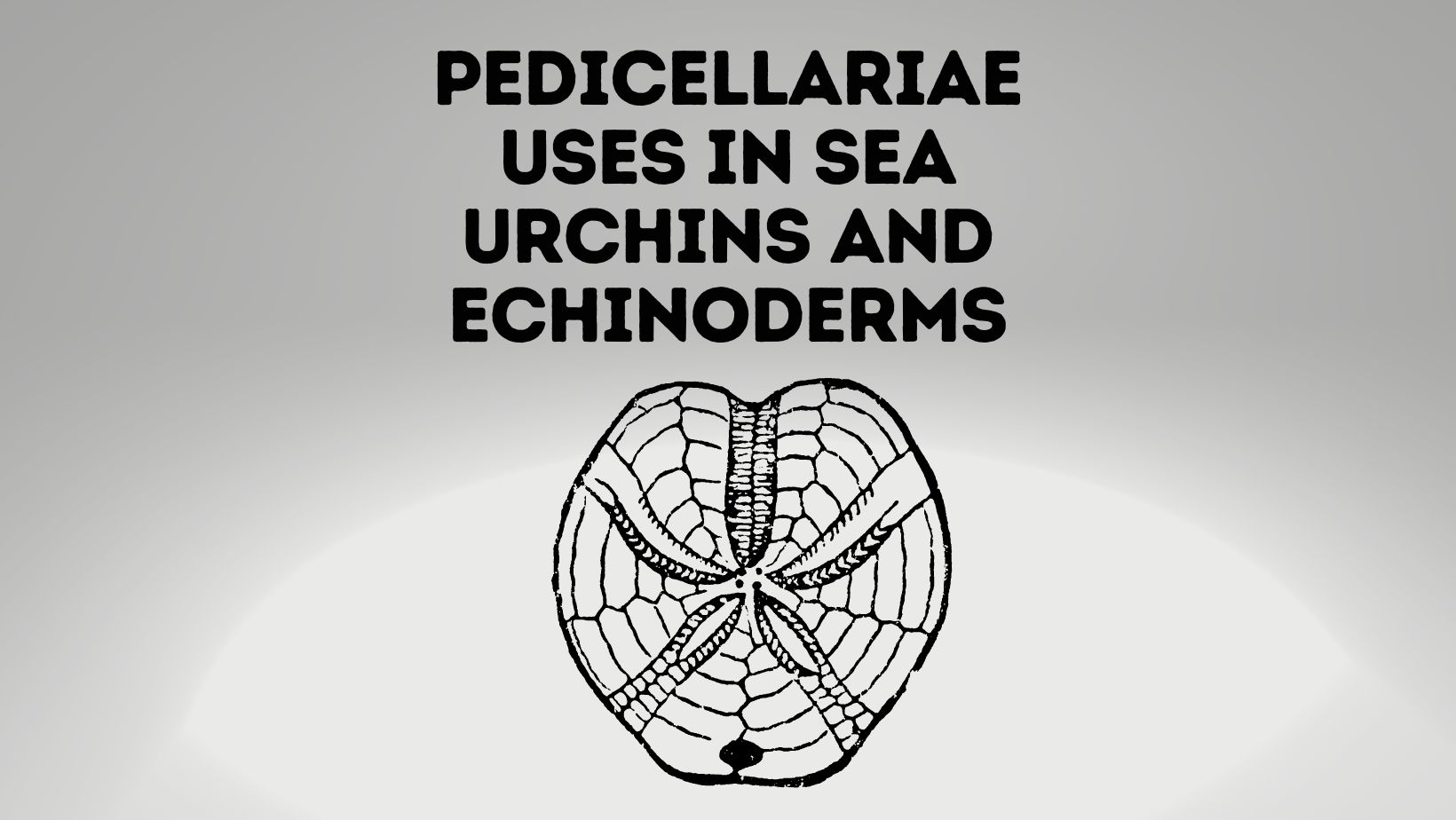
Sea urchins have five pairs of ambulacral grooves running along their body, which are involved in locomotion and respiration. Pedicellariae help keep these grooves clear by removing small organisms or debris that may clog them. This ensures the smooth functioning of the ambulacral system.
Pedicellariae are small, pincer-like structures found in echinoderms, including sea stars (starfish), sea urchins, and some other related species. The significance and functions of pedicellariae vary among different echinoderm groups. Let’s explore their roles in sea stars, sea urchins, and their general function.
Sea Stars (Starfish): Sea stars use pedicellariae for several purposes:
- Cleaning and Maintenance: Pedicellariae help in cleaning the body surface of sea stars by removing debris, sediment, and unwanted organisms.
- Defense: Pedicellariae act as defensive tools, protecting sea stars from potential predators and organisms that may settle on their body.
- Prey Capture: Some species of sea stars have specialized pedicellariae on their arms that can capture and hold onto small prey, aiding in feeding.
Tube Feet and Pedicellariae in Sea Urchins:
Sea urchins also possess tube feet, which are used for locomotion, feeding, and respiration. The roles of tube feet and pedicellariae in sea urchins are complementary:
- Tube Feet: Tube feet are elongated, flexible structures that extend from the sea urchin’s body. They aid in movement and crawling along the seafloor, as well as capturing and manipulating food particles.
- Pedicellariae: Pedicellariae, being small pincers, help keep the surface of the sea urchin clean by removing debris and small organisms. They can also assist in capturing and manipulating food particles.
Overall, pedicellariae in sea urchins serve multiple purposes, including defense against predators, cleaning and maintenance of the body surface, surface protection, sensory function, and clearing ambulacral grooves. These structures contribute to the overall health, cleanliness, and survival of sea urchins in their marine environments.