
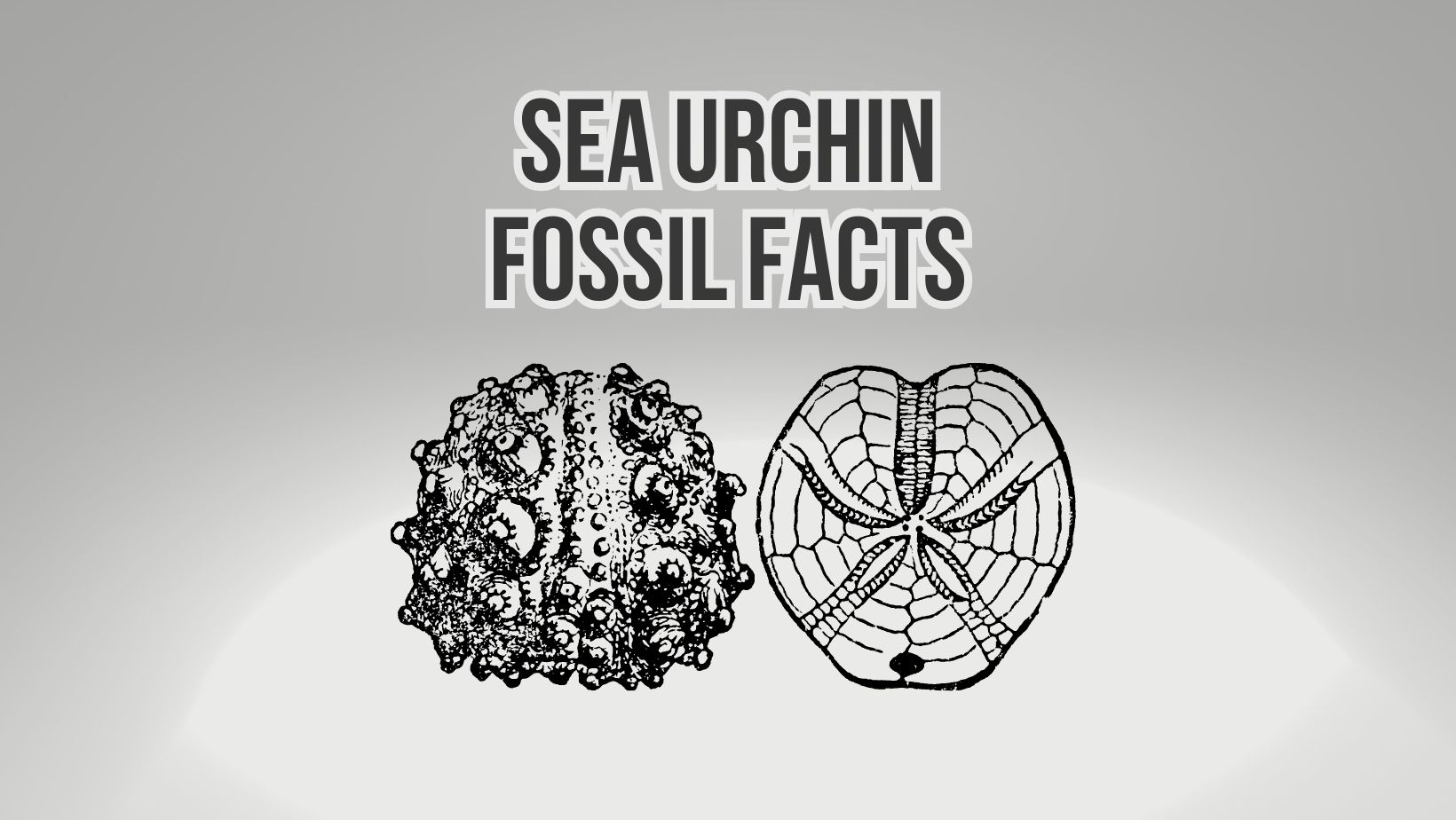
Fossilized sea urchins can vary in age depending on the specific fossil and geological context. Sea urchins have been present in the Earth’s oceans for millions of years, and their fossil record stretches back to the early Paleozoic era, which began around 541 million years ago.
The age of a fossilized sea urchin can be determined through various methods, including radiometric dating and stratigraphic analysis. Radiometric dating techniques, such as carbon dating or uranium-lead dating, use the decay of radioactive isotopes within the fossil to estimate its age. Stratigraphic analysis involves studying the position of the fossil within layers of sedimentary rock and correlating it with known geological events and time periods.
Fossilized sea urchins have been discovered in rocks from various geological time periods, including the Paleozoic, Mesozoic, and Cenozoic eras. Some fossilized sea urchins can be tens of millions of years old, while others can be even older, dating back hundreds of millions of years. These fossils provide valuable insights into the evolutionary history and biodiversity of sea urchins and contribute to our understanding of the Earth’s geological past.
Echinoid Fossil Identification
Identifying echinoid fossils, or fossilized sea urchins, involves examining their specific characteristics and comparing them to known species. Here are some key features to consider when identifying echinoid fossils:
- Shape and Size: Take note of the overall shape of the fossil. Echinoids can be round, oval, or even disc-shaped. Pay attention to the size of the fossil as well, as it can vary among different species.
- Test: The test refers to the hard outer shell or skeleton of the echinoid. Observe the test’s texture, whether it is smooth, spiny, or covered in bumps or tubercles. Note any patterns or ornamentation on the test’s surface.
- Ambulacra and Interambulacra: Echinoids have distinct areas on their test known as ambulacra and interambulacra. Ambulacra are typically narrower regions that contain rows of tube feet used for movement and feeding. Interambulacra are wider areas between the ambulacra.
- Apical Disc: The apical disc is located at the top of the echinoid test. It contains the mouth and anus, as well as various plates. Note the arrangement and shape of the apical disc plates.
- Spines: Some echinoids have long, protruding spines attached to their test. Examine the spines’ length, thickness, and any branching or ornamentation they may have.
- Sutures: Sutures are the lines where the plates of the echinoid test meet. Observe the pattern and shape of the sutures, as they can vary among species.
- Peristome and Periproct: The peristome is the opening on the underside of the echinoid test, while the periproct is the opening at the posterior end. Take note of their sizes and shapes.
When identifying echinoid fossils, it is beneficial to consult reference books, online resources, or seek the guidance of experts familiar with echinoderm paleontology. Comparing the characteristics of the fossil to known species and considering the geological context of the find can help narrow down the identification. It’s important to remember that accurate identification may require careful examination and may be challenging, as some species can exhibit variations in form and size.
Sea urchin fossil meaning
Sea urchin fossils hold both scientific and aesthetic significance. Scientifically, they provide valuable insights into the evolutionary history and biodiversity of sea urchins and contribute to our understanding of ancient marine ecosystems. Aesthetically, sea urchin fossils are often appreciated for their intricate and symmetrical patterns, making them popular among fossil collectors and used in jewelry and decorative items.
Sea urchin fossil in flint
Flint, a type of sedimentary rock composed of microcrystalline quartz, can occasionally contain sea urchin fossils. Flint nodules often form in chalk deposits and can preserve the remains of ancient sea urchins that lived in the seas during the deposition of the chalk. These fossilized sea urchins can be seen as distinct patterns or impressions within the flint, making them of interest to both fossil enthusiasts and those interested in geology.
Overall, sea urchin fossils provide valuable insights into the ancient history of these remarkable marine organisms and the environments they once inhabited. They contribute to our understanding of the Earth’s past and offer a glimpse into the diversity and adaptations of sea urchins over millions of years.
Sea urchin fossil facts
Sea urchin fossils come in various sizes, shapes, and species. They can range from a few millimeters to several centimeters in diameter. Some sea urchin fossils exhibit well-preserved details, including spines and intricate patterns on their tests. Sea urchin fossils are also fascinating for researchers, as they provide evidence of ancient ecological interactions and the evolutionary history of these unique marine organisms.
Here are some interesting facts about sea urchin fossils:
- Ancient Origins: Sea urchins are ancient creatures that have been around for millions of years. Fossil evidence suggests that they first appeared in the fossil record during the early Paleozoic era, approximately 541 million years ago.
- Preservation: Sea urchin fossils are relatively common due to the preservation of their hard calcium carbonate shells. The shells have a better chance of fossilization compared to the soft tissues of many other marine organisms.
- Variety of Species: Sea urchins exhibit a wide range of species diversity, and this is reflected in their fossil record. Fossils of different sea urchin species can be found in various parts of the world, showcasing the evolutionary history of these creatures.
- Fossil Patterns: Sea urchin fossils often exhibit beautiful and intricate patterns on their test, the hard outer shell. These patterns can include radial symmetry, distinct rows of tubercles, and ornate designs, making them visually appealing to fossil enthusiasts and collectors.
- Paleoecological Insights: Sea urchin fossils provide valuable information about ancient marine ecosystems. By studying these fossils, scientists can gain insights into the ecological interactions, such as predation and competition, that occurred between sea urchins and other organisms in the past.
- Paleoenvironment Indicators: Sea urchin fossils can help paleontologists reconstruct past environments. Different species of sea urchins have specific habitat preferences, and their presence in fossil assemblages can provide clues about the conditions of ancient seas, such as water depth and substrate type.
- Evolutionary Significance: Sea urchin fossils play a significant role in understanding the evolutionary history of these organisms. By studying fossilized sea urchins from different time periods, researchers can track changes in morphology, spination, and other traits, offering insights into the evolutionary processes that shaped sea urchins over millions of years.
- Collecting and Display: Sea urchin fossils are popular among fossil collectors and enthusiasts. Their intricate patterns and unique shapes make them attractive for display in personal collections, as well as for educational and scientific purposes.
Overall, sea urchin fossils are not only fascinating from an aesthetic standpoint but also provide valuable scientific insights into the ancient history and evolution of these intriguing marine creatures.
FAQ’S
- Are sea urchin fossils rare?
Sea urchin fossils are relatively common compared to fossils of some other organisms. The hard calcium carbonate shells of sea urchins have a better chance of being preserved as fossils compared to the soft tissues of many other marine organisms. As a result, sea urchin fossils can be found in various parts of the world.
- How old is a sea urchin?
Sea urchins are ancient organisms that have existed for millions of years. They first appeared in the fossil record during the early Paleozoic era, approximately 541 million years ago. Today, sea urchins continue to thrive in oceans worldwide.
- How old is the oldest known sea urchin?
Determining the age of the oldest known sea urchin fossil is challenging due to the limitations of the fossil record and the complexities of dating ancient rocks. However, some sea urchin fossils date back hundreds of millions of years, with certain species having existed since the Paleozoic era.
- Where are sea urchin fossils found?
Sea urchin fossils can be found in various regions around the world. They are commonly discovered in marine sedimentary rocks, particularly those of ancient seas and oceans. Fossil-rich areas include coastal cliffs, quarries, and geological formations that were once underwater. Some well-known locations for finding sea urchin fossils include regions in the United Kingdom, the United States, Germany, Italy, and Australia.
- What is the rarest type of fossil?
The rarity of a fossil depends on several factors, including the species, preservation conditions, and the geological record in which it is found. Some exceptionally rare fossils include those of ancient and extinct organisms, such as certain dinosaurs or early mammal relatives. Fossils of transitional forms or organisms from critical evolutionary stages are also highly sought after by paleontologists.